Hello from the office in Bakeless,
It is the beginning of my 15th year here in the PASSHE. What is in an acronym? This state system . . . these institutions of higher education. Fortunately, a former colleague, Joan Navarre, one of UW-Stout colleagues, offered me an article about being a student in the university system as I was leaving Wisconsin. That article changed my understanding of what it meant to attend a college or university – what it meant to be a person who desired to get a degree beyond high school. I had never thought of myself as a scholar. I was an intelligent (at least that is what I know now) high school student, but I was not a committed, dedicated high school student. In fact, I have spent most of my life questioning my intelligence, my ability, and yes, at times felt that incredibly powerful imposter syndrome, even after 30 years of being in a college classroom. Certainly, I have been told many times (and bless those individuals) that I am capable and yet . . . those doubts persist. The reality of what I do on a daily basis is setting in as I make the plans for life beyond it. As I come to my office daily, I am confronted with the reality of what students face and the fears they must contend with in our world, which somewhat misguidedly seems to demand a college education. Perhaps that sounds a bit oxymoronic coming from the professor, but what makes the cost reasonable? It certainly is not merely the numbers, the commas, and the dollar signs. What is the cost of an education? It goes so far beyond what a student, the government, the relative, the company, or even the university pays. It goes far beyond the dollars given by donors or others. There is the time commitment of staff, of administration, of family, of faculty, and yes, of students. It is complex and it is getting more so.
As I have noted at other points, I never really expected to go to college let alone become a college professor. What an incredible surprise, a phenomenal gift, to be allowed to be in academe. Every single day I meet amazing people; I am allowed the possibility to make a difference; and yet often it happens in the daily tasks, the interactions, and the moments where I am placed in a situation that is often unexpected. It most often occurs through the listening to and resonating with the stories I hear from my students. While I lament at time what seems to be a struggle to think critically or analyze carefully, the great majority of these young adults are good people. They are afraid as they begin this journey. They worry just as I did that first fall at Dana College if they are capable of doing this thing called college. Just today I listened to students voice their concerns, their trepidation about whether or not they can do this. As we are at the point where they are on the receiving of their first exam grades, the reality of being unprepared, the veracity of their efforts to this point, are facing them, and it is often frightening. It can be paralyzing. And yet, there are things, possibilities, and people to assist them, but they have never had to ask for help, and to do so is humbling. This was the very word used my one of my students today. They said, they have been humbled regularly in the last month.
I have students who cannot afford their books, but are afraid to make that reality known. I have students who are not sure how to manage writing more than the proverbial 5-paragraph essay. And yet, they are neither unintelligent or incapable . . . so what can we do? How do we help students believe they are capable? How do we assure them they are smart enough, intelligent beyond their own beliefs? What are the differences between the lives they lived a few short months ago and now as they live in a dormitory, eat Common’s food, and share a space for the first time in their lives? It is easy for me to say to them, as I am wont to do, “It is not rocket science.” No matter what I say, it feels that way to them. When I was that first generation student, I could not turn to my parents and ask them how to manage this new world. It is no different for many today. Figures for the immediate past academic year show that 1/3 of PASSHE students are First-Gen (State System FAQs). Almost 1/3 are adult learners, which can mean they are working a full-time job, they have other family responsibilities, or they are trying to be a student on top of other demanding requirements. That means possibly up to 60% of my students come with the possibility of profoundly atypical external complications while sitting in my class. This makes everyone’s experience different than what we might generally expect.
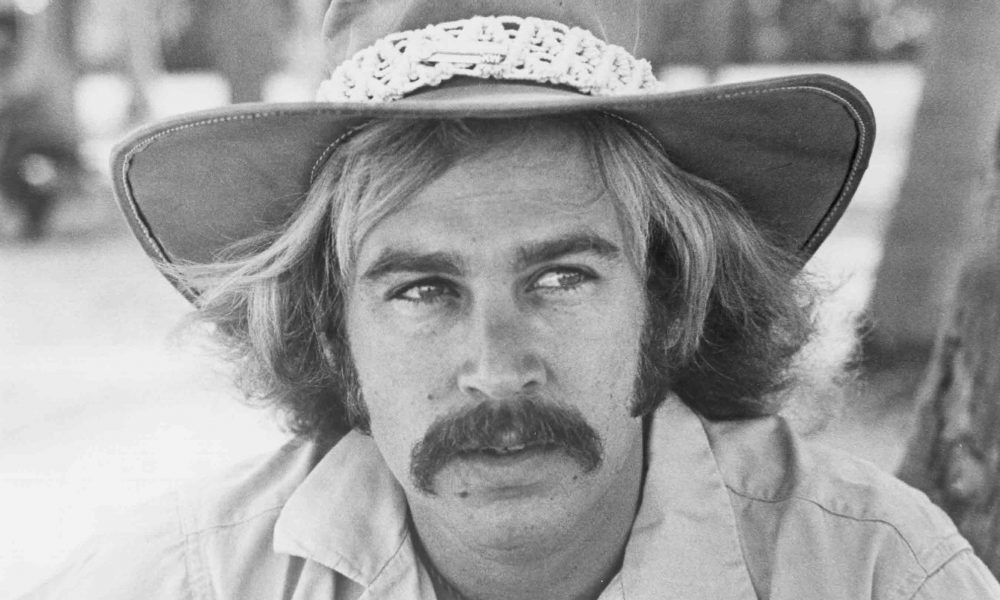
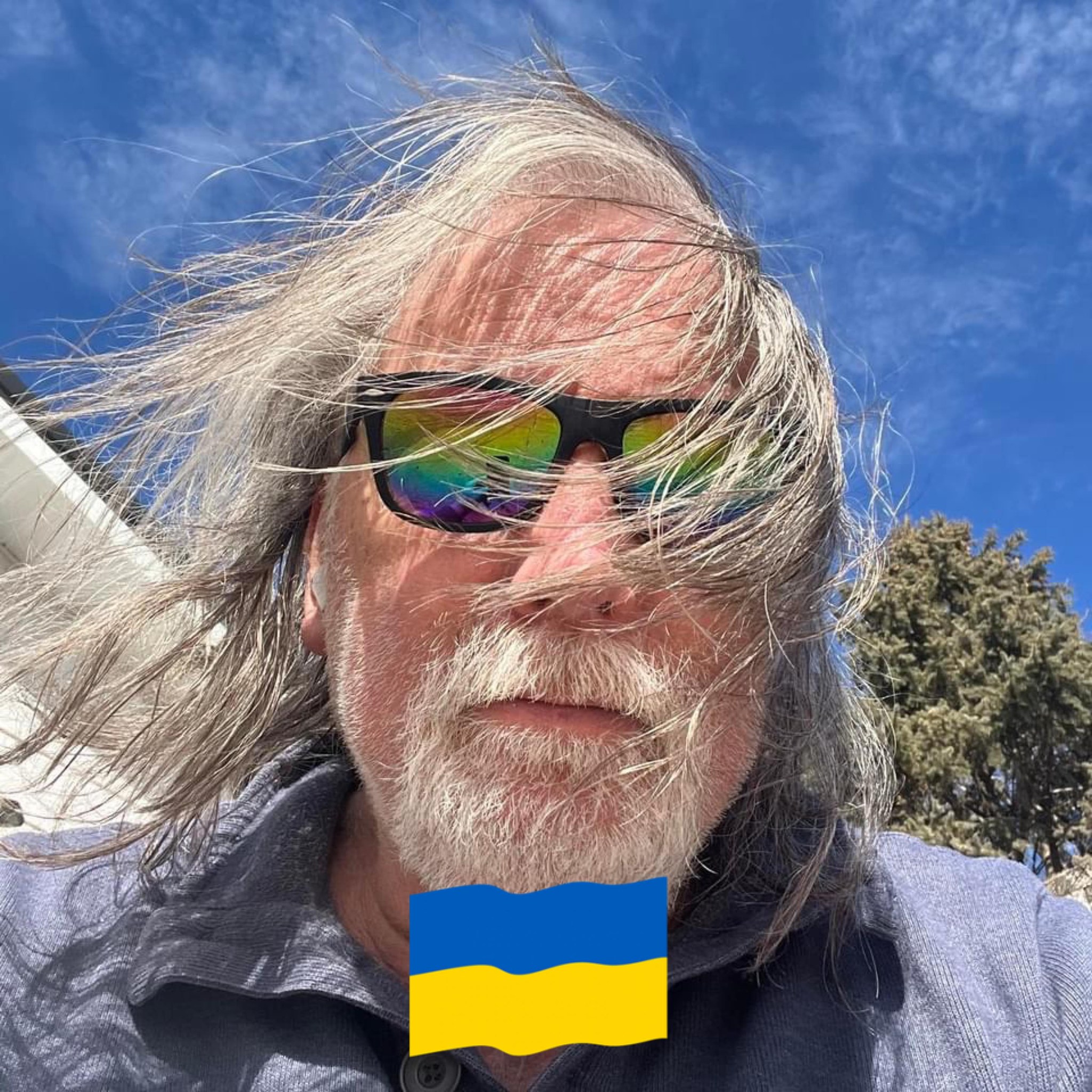
What created that difference for me? I had flunked out the first time I attempted as a student attending Iowa State University. By the time I returned to Dana, I had been questioned by a faculty person about how committed I was. I was both offended, but simultaneously frightened. Had I been outed? Was I that imposter? As I started my time at Dana, it was not others who had to convince me; that was something I had to do on my own. I had to put the work in. I needed to find the discipline to move me beyond anything I had ever done in the classroom, in the dorm room. It required a commitment that was continuous. And it was not an easy thing because I had already failed . . . I had seldom if ever pushed myself beyond what I imagined, and yet, I had done it once before . . . it was accomplished as a 17 year old, underweight, undersized, and clueless Iowa boy who had found himself on the yellow footprints of MCRD in San Diego. The first two nights of boot camp I put my head under my pillow and cried. My father was correct on two accounts: first, I had no idea what I was getting myself into; and second, and perhaps more importantly, it was not like Boy Scouts, there was no quitting and going home. I had little choice other than to buck up and do it. And amazingly to me, sometimes even now, I did it. Even now, and I was in my last week of boot camp 50 years ago right now, it is still miraculous to me. The picture above is even some of the extremes I have had. This is my COVID hair the Spring of 2022. It would be cut about a month later. Significantly more hair than I had 50 years ago. I actually got FB messages from some friends in town telling me I needed to cut my hair. The imposter thing again.
I think I will always have some feeling of being the other . . . it is not completely unconnected to the other that too many feel in our country today. What makes us overcome that feeling of being less than enough? What offers us an opportunity to be honestly proud of what we accomplish? When are we satisfied that we can live that reality of the Lutheran liturgy that states “Well done, good and faithful servant?” I have been blessed beyond measure in so many ways. This past week I had the opportunity to speak with another of my high school classmates. I remember her as a thoughtful, kind, and gentle person. It was interesting to me to hear her remembrances of me. I learned as a high school student to fit in, to get along. I was so small, I often felt inadequate, but wanted to be appreciated. The trait I hear most often is that I was shy. I do not think I realized that. Shy was how I covered what I felt . . . a feeling of being overmatched at most of what I did. Perhaps that is why I am as dedicated as I am to helping others succeed. I do not think I met those people, those who gently pushed me in my life until I got to Dana College. It was there I found the support system, both from classmates and professors, allowing me for the first time in my life to believe I was capable of anything. In spite of that first encounter with one faculty, who was definitely an outlier, there were so many who who supported me to become the professor I am today. I tell those who knew me early in my tenure-track career, I wish you could be in a class today. I am so much better than I once was. To those like the late Dr. Daniel Riordan or Dr. Patty Sotirin, who never stopped believing in me, thank you. As I finish up this last year, I hope the other I have become is something you can be proud you mentored. To my students, this video is what I hope for you . . . imagine the best you can become.
To everyone . . . thanks for reading.
Dr. Martin