
Hello from another Saturday of Working,
What is becoming my new semester weekly process, I am back in Panera, although this time in Buckhorn, sitting at my corner table where there is an outlet. However, I am missing my Panera study-buddy, and reflecting on how many mornings, afternoons, and sometimes a weekend we accomplished so much sitting here. Last evening, I found my memories flashing back to the 10th of February in a hospital waiting room. It was even about the same time in the evening. My sister-in-law, my mother and I had been asked to leave my brother’s hospital room as he endured yet another seizure, a serious Grand Mal seizure. They were happening regularly I was informed. I had come back to Sioux City earlier that day; it was the first time I saw my brother after his fall at work and subsequent brain hemorrhage. It had been almost 5 weeks, but I had remained in Ames, where I was supposed to be going to class. I remember the lines of stress and the incredible fatigue I saw on my sister-in-law’s face. She was 25, and I was 21. She epitomized the sort of hold-over hippie of the late-sixties. In spite of birthing three children, she looked as if she had no children. Her willowy stature, her long hair, and her incredible eyes were all still there, but she looked dazed and overwhelmed, and I felt inadequate. For many reasons, I had no ability to be the support she needed.
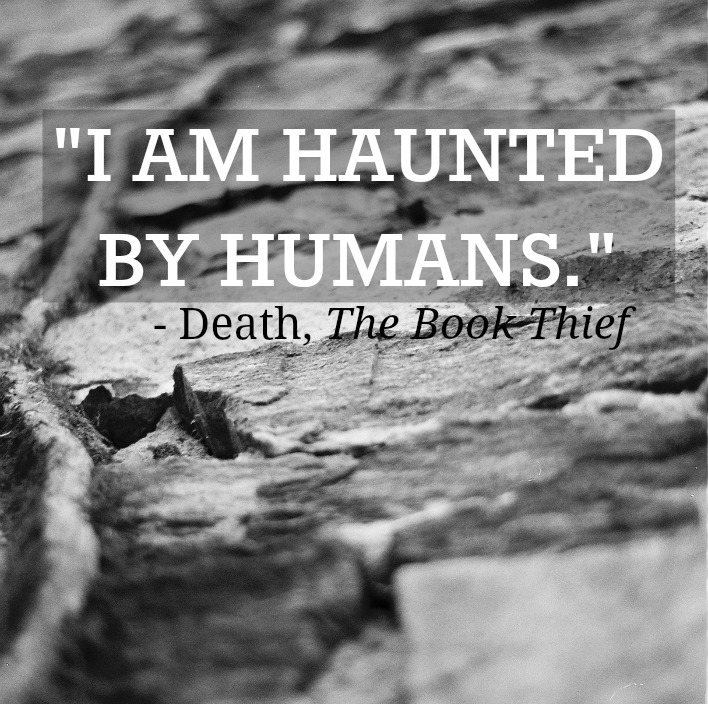
In less than an hour after leaving his room, he passed away . . . I was even more inadequate now. How could a simple fall of less than 10 feet end up in this way? I remember struggling to understand God in that moment; I found it difficult to believe that the God of love I had heard about all my life existed. My feeling fluctuated and moved from anger to remorse, from confusion to sadness, from selfishness to despair. I knew I was flunking out of college; I knew I had not spent the time with my brother I should have. I knew that I had little idea of where I was headed or even why I might if I had an idea. He was barely 26, and he had a wife and three small children. There was nothing fair in what was happening. I knew such things were possible; I had read about them or heard about them, but this was not merely reading or hearing about it. This was my family . . . one of the immediate consequences (and to this day most profound) was seeing my father cry. That had never happened. Seeing his tears stunned me, not in someway that said he was finally human, but instead, it was the first time I ever saw him vulnerable to something. The year was 1977 . . . that is a long time ago. As the decades pass, it is difficult for me to remember as much about my brother’s intricacies . . . his mannerisms. I certainly remember his general traits, his abilities, and somewhat what it was like when I was in his presence, but so many things fade away . . . we did not have the ability to take photos, videos, or other things to capture the moment as we do now.
I wonder what it would be like to chat with him today, almost a half century later. He and Kris were much closer to each other, or at least that is how I see it now. They had the ability to stand up against things they disagreed with much more immediately and intensely than I did. I had the same feelings, but I was more hesitant to express them. My fear of my mother was powerful and many times created a paralysis. What I thought and what I did were very different. I think he would still be disgusted with many things that have become commonplace in our world. I think he had a sense of social justice that was much more developed than many would have understood at the time. I know my sister did, and I think that might have been one of their many connections. The other thing I would love to do is talk to him about so many things that I understand so much more at this point in my life. I wonder what he would think about my being where I am. I remember he was stunned when his little brother enlisted in the Marine Corps. I have noted in other blogs that if he had been drafted, I am sure he would have migrated north.
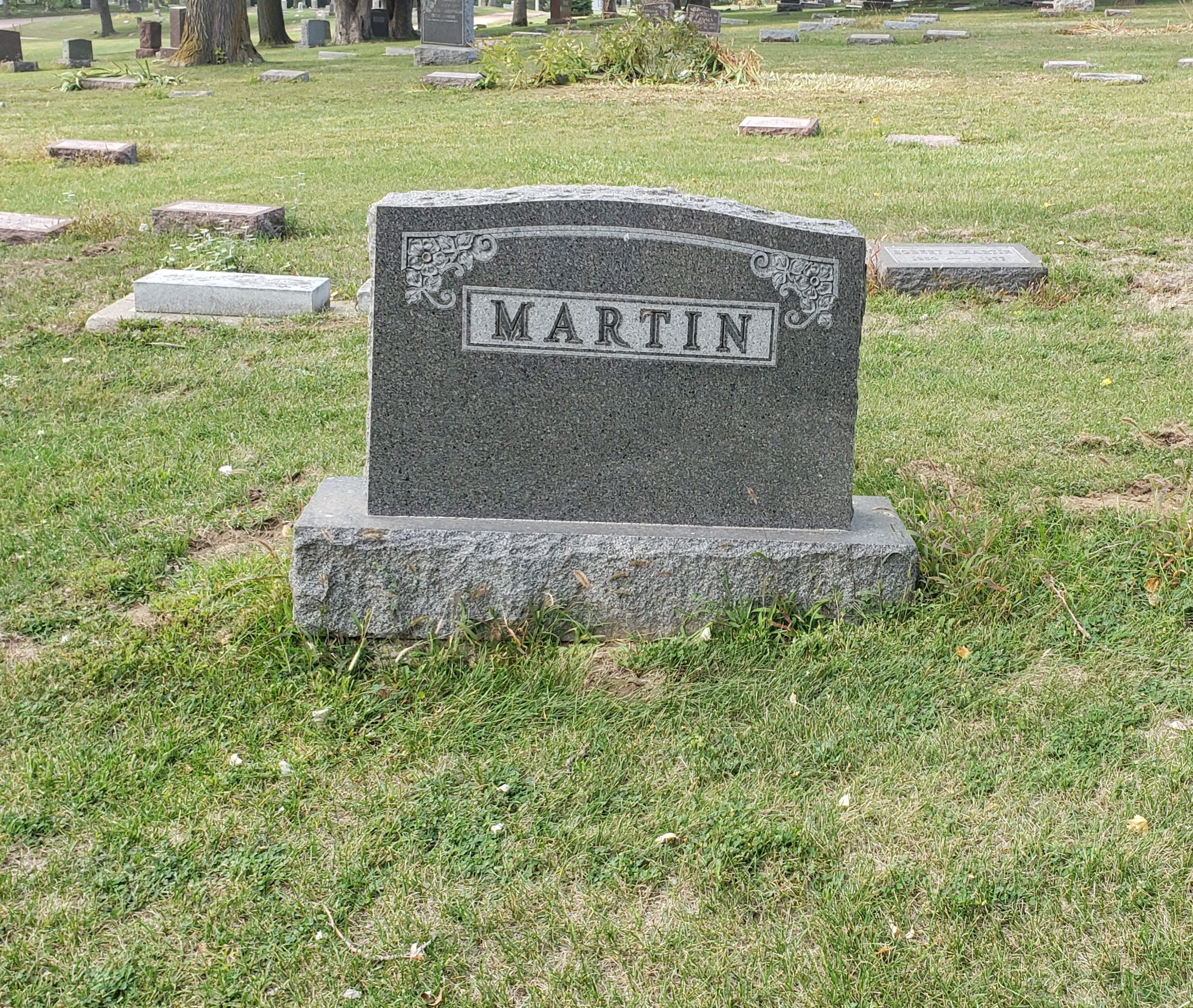
I remember standing in the cemetery at his committal service and sobbing. I was overwhelmed and felt lost. Fortunately, my grandmother held me in her arms as I stood there in the Iowa winter. I remember this day, the 11th of February, she and I were at my brother’s house caring for three children as Carolyn and my father worked to make arrangements for a funeral that would occur the next day. Carolyn’s father would arrive from New Jersey later this day, all those years ago. There was the attempt to explain to three children that their daddy would not be coming home again. Two of them will make it to their 50s this year. That too is stunning to me. It is easy to understand why some things fade into the background as we fill our lives with more things than needed. In the time since, there are experiences, emotions, and parallels that keep some things from fading away however. There is more of my brother in his eldest son than that son probably recognizes. His love for mathematics, for things that require order and thought, and yes, even his proclivity for being a bit reclusive come from the father he hardly knew, the father he does not really remember. Those memories were not cemented into his life, and so it is impossible to fade away. My experience is completely different. His daughter is such a profound blend of her parents. I sometimes wonder what it was that attracted Carolyn to my brother. Was it his unwillingness to play by the rules in the Music Department at Morningside College? He would fail his sophomore jury because he was too busy (I am assuming) with his extracurricular gig playing in the rock n roll band, the Board of Directors. I have little doubt why my brother was attracted to her. She was smart, personable, and beautiful. My niece sounds so much like her mother (which has also continued to the third generation of a daughter, my great-niece). So . . . what keeps things from fading away?
Perhaps it is when multiple senses are affected by something, but additionally, and more significantly, there is repetition. Every time I hear Carolyn’s voice, I hear her daughter and vice versa. Every time I hear Rachael’s disarming laugh, I know exactly from where that comes. Every time I see Jennifer’s alluring smile, her eyes which are magnetic, I see the generational connections. Therein is the repetition, albeit from different entities. One of the other things that connects me to all of them is their similar and incredible vocal ability. They all have musical ability inherent in their DNA. Carolyn and my brother studied music for a reason. My brother was an excellent trombonist. Carolyn excelled both in piano performance and in vocal acumen. Again, in the recesses of my memory, I remember he and I practicing our instruments regularly. And there were even a few times we tried to do something together. That was a special time for me because I was the pain-in-the-behind younger brother. When he took time for me, I was both stunned, but grateful. Somehow, my propensity to remember random dates stuns me too. As I sat here working on this post, and perhaps unconsciously connecting the idea of music to somewhere in my ridiculous memory for things, I looked up and connected that in the date between my brother’s passing and his burial, yes, today, 11 years ago, Whitney Houston passed away. I never connected that to my own significant dates until this moment. How is it things can fade into the recesses of our memory only to come to the surface when least expected?
Yesterday I had a wonderful conversation with my Dominican brother about faith, Luther, and God . . . is it God’s incredible omniscience that makes us that “crown of creation, little less than angels,” the creature that can remember the past and imagine the future? It is God’s protection that allows some things, albeit significant things, to fade into the recesses of our memory. Perhaps. For if the pain of loss did not recede, how would we continue on? Perhaps this is why our memories of that person also become more opaque. And yet I long to imagine how different my nephews and niece would be if their father would still be alive. I wonder how Carolyn’s life might have been different. I believe that would be the most profound difference. Would there have been more nephews or nieces? Indeed there were, and I have relationships with additional people, and there were two more children. Are “what if” imaginations helpful or are they simply another thought that fades away? What allows some things to remain and others to disappear: thoughts, people, events, experiences? As I find myself at a time my brother never realized; as I find myself at a time when half of my siblings did not reach; when I look for answers to the why, and I walk away knowing there is no answer, I realize three generations of incredible ladies have blessed my life in ways too countless to enumerate. Carolyn, Jennifer, and Rachael, thank you for keeping things from simply fading away. I imagine singing this song with and to each of you. I love you all.
Thank you as always for reading.
Dr. Martin




 thewritingprofessor55