
Hello from a quiet table and pondering the struggle of so many,
This past week I have been confronted with two specific incidences where a person certainly struggles with some form of mental illness. Let me begin with two important facts. I am not a psychologist nor a psychiatrist, nor do I have an MSW. Furthermore, even though I was a parish pastor, I knew what was reasonable for the me to work with and I had no problem referring my parishioners to professionals. However, I am fascinated by the human brain and how it functions. Yet, I know very little about it from a clinical or medical viewpoint. All of that being said, it pains me when I see people who struggle in their lives because of some kind or mental or emotional malady. I try to understand why two people with similar experiences can come away from those events with a very different consequence.
As I have noted in many blogs, I know believe my adopted mother probably suffered some kind of mental illness. I know she had endured some traumatic things from early elementary school into her early twenties, things that would scar most anyone let alone a young child or first time mother. Perhaps more importantly, the early 20th century was not a time when people reached out to get help with their problems. I can still hear the phrase “you do not air out your dirty laundry in public.” For those unacquainted with this, today’s version might be “what happens in Vegas stays in Vegas.” The point is, if there are issues at home you do not talk about it in public. This was certainly the case in my immediate family. Some of the things that would have had us in front of Children and Youth in our present world were not revealed . . . period. However, I digress. The point is my mother had profound struggles and I believe the traumatic experiences she endured changed her personality and her outlook. Those events caused her (and I realize this is merely an opinion) to believe and feel she had been cheated in this world and she was angry, and that anger devolved into bitterness, something much more insidious than anger. Bitterness destroys and hollows out a person. Many times I find myself trying to understand the actions or habits of another, wondering what happened in their past to create their propensity that action or habit.
I am a firm believer, again from my own experiences and actions, that most of our responses of fear or anger come from something in our past more than what is happening at the moment. I am not saying fear or anger is wrong, but I know my own fears are usually based on a feeling of failure, a feeling of unworthiness, or a feeling of what I call “I am going to be trouble.” Most often my anger comes from being hurt by someone, and mostly someone I care about. In the past couple of weeks, I had a meeting with a superior about some of the difficulties that are inherent with remote asynchronous teaching. There is also the fact that I have a tendency to over-extend. Those two things together created dilemmas for both my students and me, but it is important to consider the students first. That might seem a bit martyristic, if I can coin such a term, but what is apparent is this move toward teaching in a way that places such incredible responsibility on students has more often than not overwhelmed them. Being overwhelmed produces fear, and fear produces tension, and tension can create unexpected (and yet expected) responses. It is such a fine line (and the placement of that line changes from student to student) when it comes to how much you can push them to stand up and when you must hold them up.
This has been a tough thing for me because I am generally a person who expects people to stand up on their own. This is not to say that I do not offer a hand, and often more . . . but the number of people calling out or needing it without realizing it has increased exponentially. And like I tell my students, I now need to realize there is no recipe card to manage it all. There is no game plan. Not surprisingly, as faculty, we seem to fall into one of two camps: repent or you’re toast or let me do it for you. Certainly some of my colleagues will argue that is not true, but I believe fervently there is more truth to my view of our dichotomous response than many want to believe. I fall into it unwittingly at times. I believe we have societally failed to instill a sense of independence, a sense of accountability, or a sense of failure is not wrong into most Gen Z (and perhaps Millennials too) members. It would be easy to end there, but that would not circle me around the reason for this blog to begin with.
When people (and I believe this is true at any age) are confronted with their unpreparedness, the reaction is palpable, and understandably so. If you have not be given the requisite skills necessary to manage the daily expectations of life, the consequence is frightening. Both for the person missing the skills and for the individuals who have to work with them. I always struggle when students tell me life is so incredibly difficult, much more so, for them than it was for my generation or earlier in time. I think about that fact that many were married at 18-20 when they were my grandparents’ or even parents’ ages. I am not convinced that made life easier. Many were parents already and working a job, and all those adulting responsibilities were upon them. I spoke with a former student in the last couple days and they lamented how little they knew about financing their world or managing taxes, or even handling a checkbook. I did not know that stuff either, but I would find out . . . and often when I had to dig myself out of my failures. I remember having my father co-sign for something and then not managing it well. That was not a wise decision on my part. I was not given a get-out-of-jail-free card on that one. I had to catch it up, and I worked two jobs to make sure it happened. I was not offered either medication to manage my anxiety nor would I have imagined getting a support animal to make sure I could cope. This is not to say that people do not benefit from those possibilities, but it was such a different world. People in my own family have been on medication at times to deal with mental health problems, and I am an advocate of careful monitoring and the employment of a variety of therapeutic possibilities, but I am also a believer in the resilience of the human body and spirit.
We are profoundly complicated creatures. It is that simple (or complex). There is no single recipe to manage all the things thrown at us. I know of numerous people who have been pushed beyond their expected limits by this lockdown, distancing, and isolation. I know student who are overwhelmed by most anything that does not fit into their limited experiential purview as an adult student. And daily, I find it arduous to figure out the best way to manage all of it, but I soldier on. I honestly feel a lot of empathy and compassion for students who know no other college experience than the last three semesters. It was a topic of conversation in a meeting this past week of how will we prepare them for face-to-face learning again. It will be yet another stressful time for all, regardless which side of the blank stare you are on. I have learned yet again, placing the onus on either side is futile. As noted above, I have struggled mightily on my side of things too. I wanted to believe if I listened weekly and responded at that point versus having all the materials in before the semester started (and this was because I revised classes in light of my pandemic experience) that it would work better for everyone. Boy, was I mistaken. I worked well for as long as I could keep up, which was not nearly long enough. The consequence was a brutal last 10-14 days, but things are much better. Where I want? Not completely, but probably over 90 percent. And yet, in two days, there need to be much more. I am reminded of a previous administrator, who in front of a faculty committee, surprisingly stated we are only contracted for 17 hours a week. I was sitting next to her and almost feel off my chair in shock. Dang . . . not even close. Not a complaint, but there are days I put in that much time.
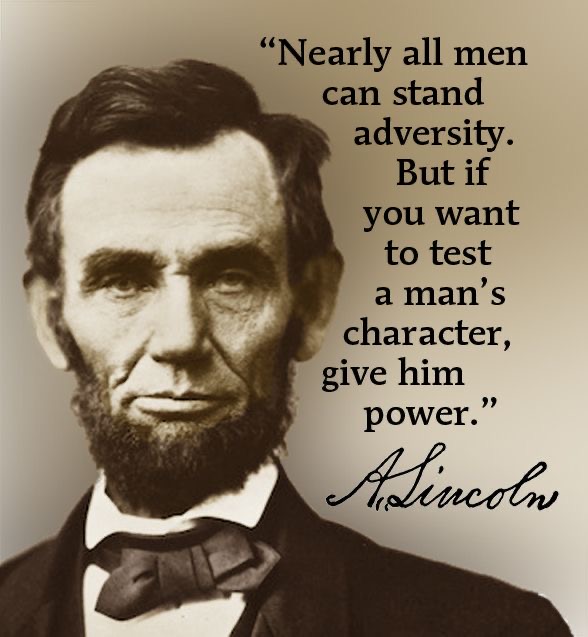
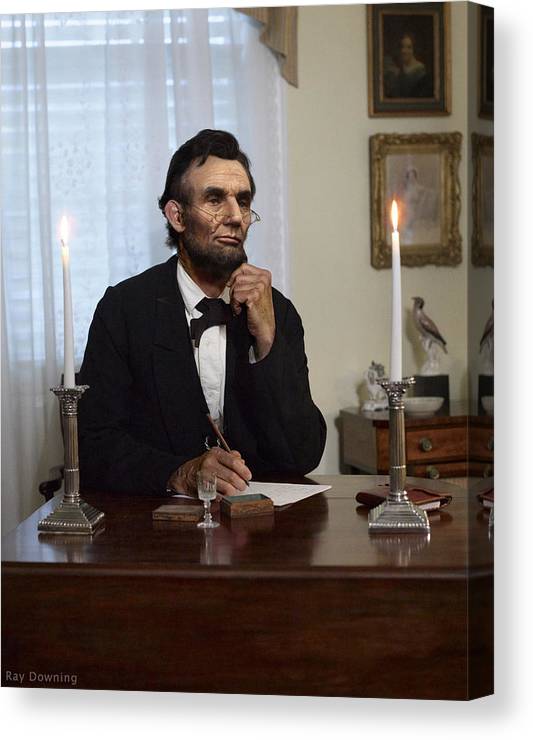
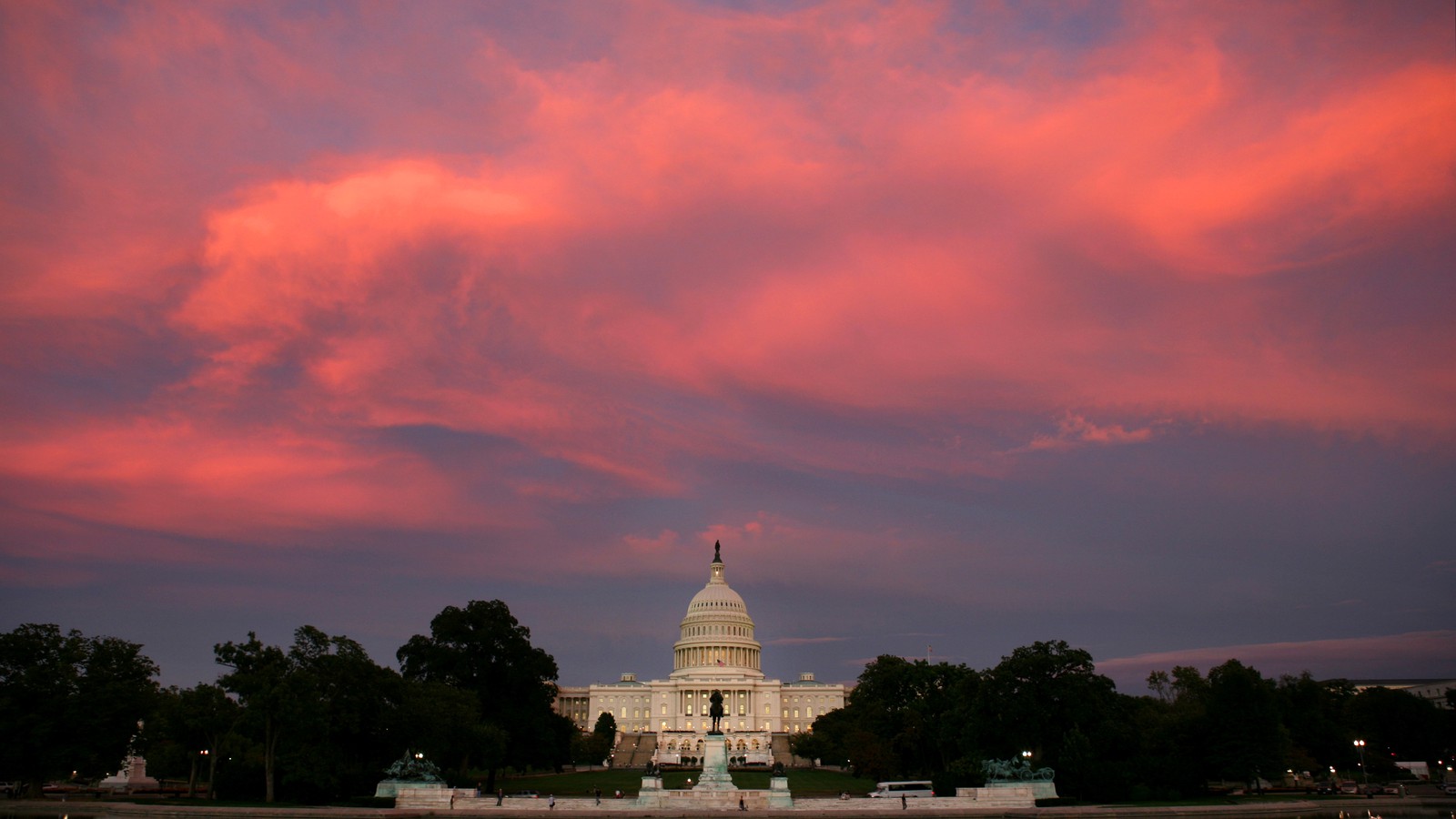
What I know is in my own immediate family there were two people who were mentally ill. One was diagnosed as such, the other was probably more fragile than the person diagnosed. I have written about that many times in this blog, but what I wish I could have understood is how devastating that lack of diagnosis was. It changed the lives of everyone around them. It made living with them difficult at best, and it made having compassion for them nearly impossible until long after they had passed on. I wish I could have realized their pain. I was too busy feeling and sometimes, allowing in my own. How unfair it all seems when I reflect on it now. All evidence seems to point to an incredible spike in people struggling with their well-being as a consequence of this pandemic. Isolation, disillusionment, loss of job, home, schooling, simply life as we knew it . . . all of these things serve as catalysts to a gigantic struggle to maintain happiness or some sense of safety or contentment. You might ask why Lincoln as my picture for the blog. As I have watched the series Lincoln: A Nation Divided, I have learned a number of things about this person we often hold us as a paragon of justice. Perhaps one of the most important things might be how he suffered with depression.
As I began, I am not a trained anything in terms of mental health, but I am a fellow human being. I am a person who can show compassion. That is what I hope I find myself doing for anyone who comes to me needing an ear, a modicum of support, or an extension on a paper or something. This past couple weeks I have worked harder than I usually do to see things from my students’ perspectives. Hopefully, that small change will make the difference they need.
Thanks as always for reading, and seriously, if you need something, please ask . . . you have the number.
Dr. Martin





 thewritingprofessor55