
Hello on another chilly weekend,
The week here in Bloomsburg, which began with the most significant snowfall I’ve experienced in my decade and a half, and then cold that is a bit uncharacteristic of Pennsylvania. The single digits or below zero windchills are not typical, like what an upper Midwestern boy knew from time in Iowa, Minnesota, or Wisconsin. It’s a difficult thing for someone acclimate to when this a rarity. I will admit watching the snow week ago made me happy, in spite the need to shovel for an hour or more to be able to back the bug out of its parking spot. The cold this week, which is damper and more penetrating than the Midwestern cold I grew up experiencing. Perhaps my age also affects what I think of it all. Additionally, the week was a bit stressful, certainly in part, because of my choosing to speak out regarding what I believe is a critical juncture for our national identity. I know this because of some pretty extensive contacts across Europe.
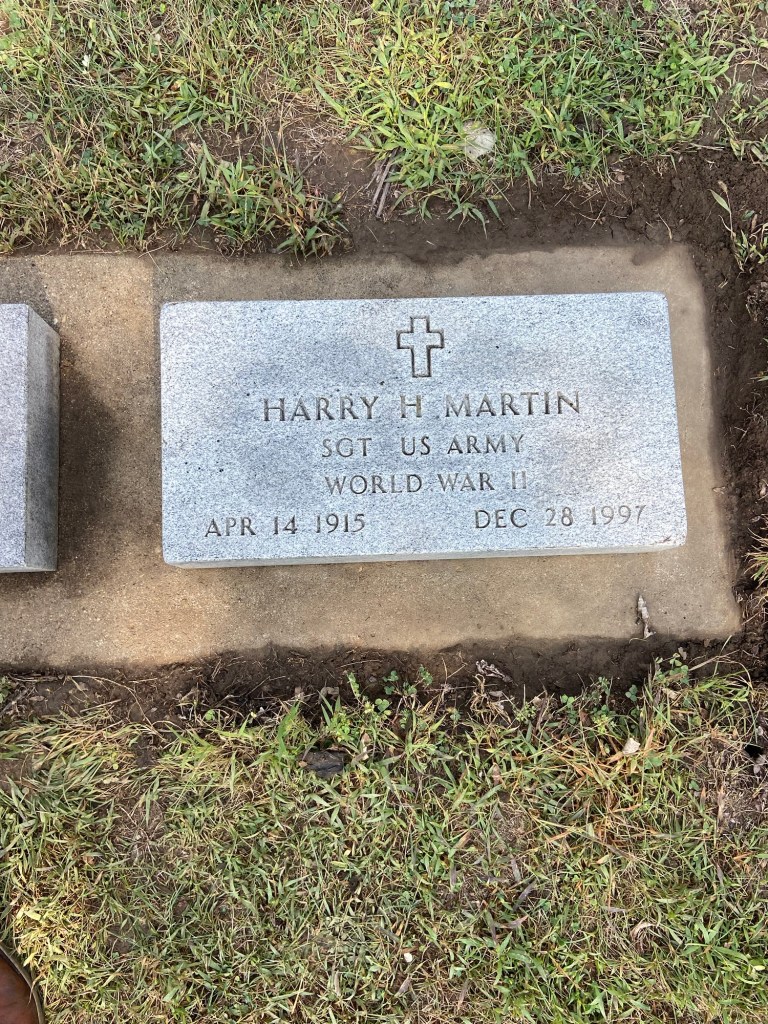
My father, Harry Martin, epitomized the “greatest American generation,” who graduated from high school at the height of the depression – 1933, and became a veteran, serving in Belgium as many in his age group did. The youngest of 5 children, he was often the person to keep his father from spending all the rent money collected on beverages. As many in the family, he began his work in the meat packing industry, a vibrant part of Sioux City, which served as home to the third largest stockyards in the world, though the largest in receipts. After the war, he would become a journeyman electrician. While I understood conceptually the importance of Roosevelt’s New Deal for his family, I seldom considered what it must have meant emotionally. Likewise when he was established electrician and a member of IBEW 231, he had enormous pride in both his work and his membership in the electrical union, and the importance of unions in general. His commitment to fairness and justice was not something he often spoke about, but it was certainly how he lived. Between the four year period he worked twelve hours a day, seven days a week, or when he was the general foreman for 200+ electricians for the remainder of his working life, he never phoned in anything. He believed those under his charge should be paid every penny owed, but they should work for every cent.
If you ask most people about my father, I believe you would hear two things about him. He was loyal to his family, his God, and the people with whom he worked, and he always had an incredible captivating smile with perfect white teeth because he was generous and happy. My father cared deeply about fairness, justice, and the equitable treatment of all people. As I consider his position on society and work, there was only one time I remember him being angry about the town in which we lived, the town in which we was born. Iowa Beef Processors (IBP) workers went on strike for better conditions and more appropriate wages. A strike in 1969, which included violence, as well as an 8 month strike in 1973-74 was focused on overpowering the union. I had never heard my father support violence against another, and he was not prone to swearing, but I saw both. He believed the scabs (those crossing picket lines) deserved anything that happened, and his vocal response was animated and vociferous. I remember speaking with him when I came home from Communications and Electronics School in December of 1973. He was livid at the tactics of the corporation, which he found unfair, inequitable, and completely inappropriate for the union worker.
My father was a New Deal democrat. He was a veteran, and he was committed to a strong middle class and achieving the American Dream. He believed in the fair treatment of all people, and that everyone should have the opportunity to thrive, but that everything was earned. On the other hand he believed in welcoming people to this country. I remember our church sponsoring a Vietnamese family and he did things to help them acclimate, including helping make sure their house was electrically sound. In fact, he was perhaps more welcoming than I was. I remember a conversation about his commitment to the Democratic Party and I pushed him on why (I was in my early 20s). Again, he noted rather emphatically that without a strong middle class, without unions protecting the worker, without the people pushing for equity across society we would not survive as a prosperous country. He said that was why he would always stand up for a world that was equitable and just. I remember him connecting it to his military service in Europe.
Overtime, I listened to his consistent commitment to the blue collar worker, never wavering that if a person worked hard they always deserved a chance. What I realize now is that passion that showed up when it came to equity, fairness, and justice is much the same for me. My father believed in society equity, but he did not believe in governmental or corporate overreach. In fact, the word or phrase he would probably use was such actions were either bullshit or a crock of shit. I remember when Fred Gandy became the Representative in Congress for the 6th District. He was appalled he had a gopher in Congress (that was Gandy’s character nickname on the television show, _The Love Boat_). I believe he was more disillusioned that he now had a Republican.
As I ponder the life of the youngest boy in his family, the man who worked hard after adopting my sister and me when he was already in his 40s, never treating me as anything less than his. I think I finally understand his passionate commitment to fairness, to equity for all. I believe that much of what he held on to, church, work, family have certainly shaped the man I’ve become. He was consistent; he was principled; and he believed in the dignity of people. When that dignity and fairness was put in jeopardy, he was more than capable of doing the right thing, calling it out. I think now it was a matter of faith for him. I am grateful that even now I am learning how much he taught me, how much he influenced the man I am.
Thanks Dad and thanks for reading.
Michael
 thewritingprofessor55