
Hello from a quiet table and pondering the struggle of so many,
This past week I have been confronted with two specific incidences where a person certainly struggles with some form of mental illness. Let me begin with two important facts. I am not a psychologist nor a psychiatrist, nor do I have an MSW. Furthermore, even though I was a parish pastor, I knew what was reasonable for the me to work with and I had no problem referring my parishioners to professionals. However, I am fascinated by the human brain and how it functions. Yet, I know very little about it from a clinical or medical viewpoint. All of that being said, it pains me when I see people who struggle in their lives because of some kind or mental or emotional malady. I try to understand why two people with similar experiences can come away from those events with a very different consequence.
As I have noted in many blogs, I know believe my adopted mother probably suffered some kind of mental illness. I know she had endured some traumatic things from early elementary school into her early twenties, things that would scar most anyone let alone a young child or first time mother. Perhaps more importantly, the early 20th century was not a time when people reached out to get help with their problems. I can still hear the phrase “you do not air out your dirty laundry in public.” For those unacquainted with this, today’s version might be “what happens in Vegas stays in Vegas.” The point is, if there are issues at home you do not talk about it in public. This was certainly the case in my immediate family. Some of the things that would have had us in front of Children and Youth in our present world were not revealed . . . period. However, I digress. The point is my mother had profound struggles and I believe the traumatic experiences she endured changed her personality and her outlook. Those events caused her (and I realize this is merely an opinion) to believe and feel she had been cheated in this world and she was angry, and that anger devolved into bitterness, something much more insidious than anger. Bitterness destroys and hollows out a person. Many times I find myself trying to understand the actions or habits of another, wondering what happened in their past to create their propensity that action or habit.
I am a firm believer, again from my own experiences and actions, that most of our responses of fear or anger come from something in our past more than what is happening at the moment. I am not saying fear or anger is wrong, but I know my own fears are usually based on a feeling of failure, a feeling of unworthiness, or a feeling of what I call “I am going to be trouble.” Most often my anger comes from being hurt by someone, and mostly someone I care about. In the past couple of weeks, I had a meeting with a superior about some of the difficulties that are inherent with remote asynchronous teaching. There is also the fact that I have a tendency to over-extend. Those two things together created dilemmas for both my students and me, but it is important to consider the students first. That might seem a bit martyristic, if I can coin such a term, but what is apparent is this move toward teaching in a way that places such incredible responsibility on students has more often than not overwhelmed them. Being overwhelmed produces fear, and fear produces tension, and tension can create unexpected (and yet expected) responses. It is such a fine line (and the placement of that line changes from student to student) when it comes to how much you can push them to stand up and when you must hold them up.
This has been a tough thing for me because I am generally a person who expects people to stand up on their own. This is not to say that I do not offer a hand, and often more . . . but the number of people calling out or needing it without realizing it has increased exponentially. And like I tell my students, I now need to realize there is no recipe card to manage it all. There is no game plan. Not surprisingly, as faculty, we seem to fall into one of two camps: repent or you’re toast or let me do it for you. Certainly some of my colleagues will argue that is not true, but I believe fervently there is more truth to my view of our dichotomous response than many want to believe. I fall into it unwittingly at times. I believe we have societally failed to instill a sense of independence, a sense of accountability, or a sense of failure is not wrong into most Gen Z (and perhaps Millennials too) members. It would be easy to end there, but that would not circle me around the reason for this blog to begin with.
When people (and I believe this is true at any age) are confronted with their unpreparedness, the reaction is palpable, and understandably so. If you have not be given the requisite skills necessary to manage the daily expectations of life, the consequence is frightening. Both for the person missing the skills and for the individuals who have to work with them. I always struggle when students tell me life is so incredibly difficult, much more so, for them than it was for my generation or earlier in time. I think about that fact that many were married at 18-20 when they were my grandparents’ or even parents’ ages. I am not convinced that made life easier. Many were parents already and working a job, and all those adulting responsibilities were upon them. I spoke with a former student in the last couple days and they lamented how little they knew about financing their world or managing taxes, or even handling a checkbook. I did not know that stuff either, but I would find out . . . and often when I had to dig myself out of my failures. I remember having my father co-sign for something and then not managing it well. That was not a wise decision on my part. I was not given a get-out-of-jail-free card on that one. I had to catch it up, and I worked two jobs to make sure it happened. I was not offered either medication to manage my anxiety nor would I have imagined getting a support animal to make sure I could cope. This is not to say that people do not benefit from those possibilities, but it was such a different world. People in my own family have been on medication at times to deal with mental health problems, and I am an advocate of careful monitoring and the employment of a variety of therapeutic possibilities, but I am also a believer in the resilience of the human body and spirit.
We are profoundly complicated creatures. It is that simple (or complex). There is no single recipe to manage all the things thrown at us. I know of numerous people who have been pushed beyond their expected limits by this lockdown, distancing, and isolation. I know student who are overwhelmed by most anything that does not fit into their limited experiential purview as an adult student. And daily, I find it arduous to figure out the best way to manage all of it, but I soldier on. I honestly feel a lot of empathy and compassion for students who know no other college experience than the last three semesters. It was a topic of conversation in a meeting this past week of how will we prepare them for face-to-face learning again. It will be yet another stressful time for all, regardless which side of the blank stare you are on. I have learned yet again, placing the onus on either side is futile. As noted above, I have struggled mightily on my side of things too. I wanted to believe if I listened weekly and responded at that point versus having all the materials in before the semester started (and this was because I revised classes in light of my pandemic experience) that it would work better for everyone. Boy, was I mistaken. I worked well for as long as I could keep up, which was not nearly long enough. The consequence was a brutal last 10-14 days, but things are much better. Where I want? Not completely, but probably over 90 percent. And yet, in two days, there need to be much more. I am reminded of a previous administrator, who in front of a faculty committee, surprisingly stated we are only contracted for 17 hours a week. I was sitting next to her and almost feel off my chair in shock. Dang . . . not even close. Not a complaint, but there are days I put in that much time.
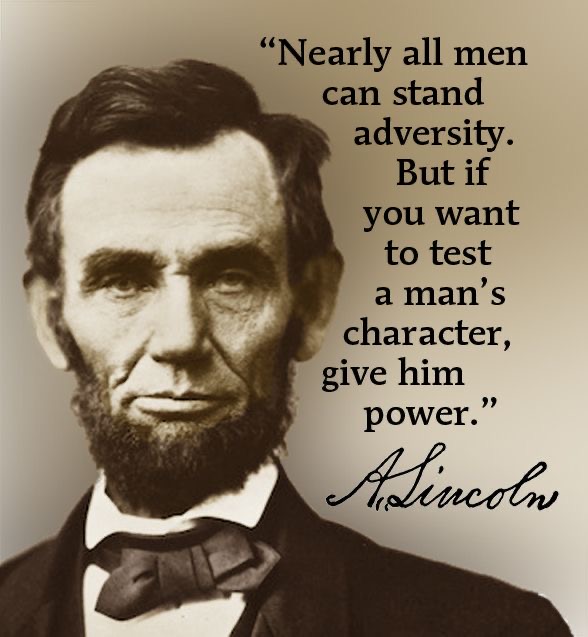
What I know is in my own immediate family there were two people who were mentally ill. One was diagnosed as such, the other was probably more fragile than the person diagnosed. I have written about that many times in this blog, but what I wish I could have understood is how devastating that lack of diagnosis was. It changed the lives of everyone around them. It made living with them difficult at best, and it made having compassion for them nearly impossible until long after they had passed on. I wish I could have realized their pain. I was too busy feeling and sometimes, allowing in my own. How unfair it all seems when I reflect on it now. All evidence seems to point to an incredible spike in people struggling with their well-being as a consequence of this pandemic. Isolation, disillusionment, loss of job, home, schooling, simply life as we knew it . . . all of these things serve as catalysts to a gigantic struggle to maintain happiness or some sense of safety or contentment. You might ask why Lincoln as my picture for the blog. As I have watched the series Lincoln: A Nation Divided, I have learned a number of things about this person we often hold us as a paragon of justice. Perhaps one of the most important things might be how he suffered with depression.
As I began, I am not a trained anything in terms of mental health, but I am a fellow human being. I am a person who can show compassion. That is what I hope I find myself doing for anyone who comes to me needing an ear, a modicum of support, or an extension on a paper or something. This past couple weeks I have worked harder than I usually do to see things from my students’ perspectives. Hopefully, that small change will make the difference they need.
Thanks as always for reading, and seriously, if you need something, please ask . . . you have the number.
Dr. Martin
 thewritingprofessor55
The pandemic has caused many of us students to face several challenges throughout online learning. Students do not get the opportunity to interact with other students and professors in person when going to class every day and this can impact an individual’s mental health. For me personally, I can say that this pandemic had an impact on my mental health and has made me realize that simple things like going to class to see people in person can truly lighten your mood in the matter of seconds. I agree that there is no recipe card telling us how to manage our lives and how to face the challenges we encounter during the pandemic. As much as we all want to know the exact answer to everything, there just is not one. In addition, times have changed significantly since my parents were being raised. If there were problems they were experiencing, they simply did not tell anyone about it or were afraid to speak about it. In today’s world, we are encouraged to speak up and ask for help when we need it because as a society we have come to understand that mental illness is a real thing. Even though you may not be able to visibly see it like a chronic disease such as cancer or heart disease, it is still there affecting the individual. It is good to know that as students our professors understand our struggles and feelings that we endure throughout online learning.
Jena,
Thank you for your comments and thoughts. I believe the most significant consequence for me has been an incredible uptick in work needed to manage everything. It has forced me to be more thoughtful, intentional, and thorough in what I do. I do believe it has forced a level of responsibility on all people that is beyond what we have experienced before.
I do believe there have been enormous ramifications for all of us, but as my title notes, with some compassion, a lot can be accomplished together.
Thanks.
Dr. Martin
Now I do not know exactly what your mother had experienced, but in some kind of way I am able to relate to the feeling of being cheated in this world. Losing parents is a traumatic event all on its own, and I cannot help but to feel anger and sadness. While I do not really express my emotions to anyone else, I also try to avoid feeling bitter. I believe that everything happens for a reason, and God has a path for each of us and what we endure on that path is purely for us to learn and grow from. I know you said that you feel anger when you are hurt by someone. I also tend to feel anger, but I also feel deep sadness and worthlessness. How could someone you care about so deeply hurt you? I honestly could not tell you who I think had it easier between my generation and our grandparents/parents. It would be very difficult to get married and raise children at 20 years old while also trying to provide for the whole family. Individuals my age face more challenging aspects and classes in school and in college, but they also have those years to figure out their lives, and they are not forced to start a family and get a job fresh out of high school. People that are my age have that choice, and they could honestly waste away and do nothing with their lives if they ever so wished. Covid certainly has not made it easier for us as students. We are required to work almost twice as hard as we would have to in a normal classroom setting. You have to be flexible, especially in hard times like these or else you are basically screwed. You have pushed us as a class to think and create without a “recipe” and it was not easy. We are all so used to following strict recipe cards in our lives, but when we do not have anything to follow, we just simply do not know what to do. Yes, this pandemic has done a number on my physical and emotional health, however, I do not let that stop me. I must go on day by day because thats all I can do. I am so lucky that I was able to experience college in its true form the first semester and a half of my freshman year. I was able to adjust to this new life and experience how in person classes were. I really feel bad for the freshmen now because they have no idea what college is like yet. When next semester rolls around and we have classes in person like we are supposed to, it is going to be a whole new ball game for everyone. I respect you a lot for taking the initiative to see the perspectives of your students. There are not a lot of professors that will take the time to worry about a student and their mental health.
McKenna,
Thank you for your honest thoughts and reflection. Indeed, as I noted in my Google Map, my life has been a journey. I have learned first hand that bitterness hollows a person out. It destroys and leaves them empty. I do believe the ultimate consequence of Covid in terms of college is that it has forced a level of responsibility on everyone, faculty, administration, staff, and students. However, I do believe I am more intentional, more cognizant, and more helpful in a thoughtful manner than I have ever been.
Again, thanks for your thoughts and it is a pleasure to work with you.
Dr. Martin
Dr. Martin,
I want to begin by saying, thank you for caring for your students. As it has been said time and time again, this pandemic has not treated anyone kindly, and I thank you for stopping to consider how this remote asynchronous teaching is impacting your students first. As someone who has struggled with anxiety and depression for most of my life, the transition to remote courses that occurred a year ago was detrimental to my mental health. I first began going to therapy at age 11 for anxiety, and the only thing that seemed to calm me in times of panic was being surrounded by close friends and family. This sense of community and friendship is something that I have been able to experience daily during my time at Bloomsburg University. When I first came to Bloomsburg, I had just lost a group of friends I had been with since elementary school, and I was looking for a fresh start. When I met the group of girls I now see as some of my closest friends, my entire demeanor was changed, and for the better. Living with one of my closest friends, and a floor below two other friends, there were few times that I was by myself. However, when we were sent home for spring break, many things changed. Now I was moved back into my hometown, miles away from my friends, trying to recreate our times at college through skype calls. I once again felt isolated and lonely, and I lacked the motivation to complete my schoolwork. It was exhausting to have to repeat the same day over and over, and it most certainly exacerbated my depression.
I find comfort in knowing that our professors are also experiencing this same sense of exhaustion with this pandemic. I cannot imagine what it must have been like back in the spring of 2020, having to recreate your entire course to be taught completely online in a matter of weeks. As you mentioned in your post that you have been working to see things from your student’s perspective, I also work to see things from my professor’s point of view. I think that mental illness is something that should be discussed, and especially among students and professors, as many students struggle with some form of it.
The human mind has the ability to affect all aspects of an individual’s life, and mental health issues seem to be all too familiar in people’s lives. Although the societal perspective towards mental health is improving, it still has a long way to go. From what I have learned from my parents and other relatives, they were usually taught to ignore their negative feelings. There was no room for emotional distress, for discussion of negative emotions, or for problems with mental health in their households. Today mental health issues are discussed more openly, and the stigma against these topics is beginning to fade. Still, individuals need to speak up for themselves and for others to promote acceptance of these discussions.
The most essential factor for any improvement in this area is compassion. People need to be empathetic of others and be open to seeing the world from other perspectives. The biggest problem that I have seen in my experiences dealing with mental health struggles, is that the friends and family of the individual effected diminish the individual’s emotions and oversimplify the solution to the problem. “Why don’t you just…” is a common start to a response I have heard after someone opens up about their feelings or struggles. Advice on exercise, diet, leaving unhealthy relationships, self-care, or other topics like these is shoved at the person over and over. People have heard these solutions before, and while it is helpful to encourage them to perform these activities, the problem that needs to be solved is rooted in their mental health. Often times therapy, medication, and discussion may be necessary and should be encouraged. Their thoughts and feelings need to be taken into consideration and valued just as their physical body would with a visible ailment.
While I have never dealt with my own chronic mental health problems, I have experienced grief. Feeling all these emotions for myself was like nothing I had imagined. This was an immense learning experience. Now I understand the impact that the mind can have on a person. It now makes sense what people mean when they say they cannot take care of themselves because of their emotions. I have become more open-minded when people reach out about their own problems. Before, I would always compare what people felt to my own experiences. This was something I was unaware of at the time, but this thought process diminishes the seriousness of the person’s problem. Everyone will try to understand the struggles that others endure, but in many cases the person reaching out does not need people to completely understand what they are feeling. They need someone to support them and help them through what they are experiencing. This time in my life showed me that I have experienced very little in life and that other people’s problems can be immensely more detrimental than they seem.
Now in a time where social interaction is limited and people are often trapped in isolation with their own thoughts, mental health is more important than ever. The resources that people now have are very limited when compared to the world before COVID. Many people have also been out of work for much of the past year and are experiencing financial hardships that limit their ability to seek treatment. This is a trying time and huge adjustment for people’s mental health. People are extremely isolated in their thoughts and their resources. It is essential that people reach out for help and that others offer them compassion and support during this time. I completely agree with your approach to supporting those around you, and I try to do the same for the people in my life.
Dr. Martin
It makes me happy to hear you speak of mental illness in a serious manner. I too believe it can cause one to lose many experiences, and opportunities because of a mental illness as well as the stigma that surrounds it. Many people tend to find emotions a joke. Me as a social worker, a person who deals with, and has always dealt with a mental illness, while also living in a family filled with traumatic experiences and serious mental illnesses, tends to make me think of this as one of the most serious things there is when it comes to one’s health. During some times in the past people would see those of us who have these struggles to be broken, weird, or much worse. Although, in this day in age it’s mostly seen by people as normal. This fills me with joy simply because we are starting to wipe away the stigma. One day I truly hope we will get rid of this, “Men need to be manly and hold in their feelings” nonsense. The reason I personally believe this is because it prevents people from wanting to talk and get to the bottom of why they may feel a certain way, and there should be no reason for that. We need to advocate for its normalcy and get rid of some of these trashy societal views that cause men undoubtably believe they need to be manly, and not talk about their feelings. That’s what I believe should be the next step in our journey to removing stigma of mental health for those who live with mental illnesses, and quite possibly missing a portion of their lives because of it.
Your student,
Gabe Bender
Hi Dr. Martin,
Disclaimer, I am not an expert on mental health, nor am I qualified to diagnose others; I can only offer my thoughts on the topic.
I have often found it interesting how two people can be affected differently by a similar experience. Looking back on my childhood, my brother and I experienced an inefficient form of discipline that impacted my brother more deeply than me. In his high school years, it was clear that he was dealing with internal demons that would slip out every so often. His ball of fury left destruction in his path at the slightest annoyance. As his younger sister, I had difficulty understanding where all this anger was coming from and why he acted out. As I got older, thanks to all the mental health awareness information that spread through social media like wildfire, I began to get some inkling of what my brother might have been going through. I hypothesized that these demons he was fighting and the anger that was consuming him were due to how our parents chose to discipline us growing up. I knew my parents meant well and were just parenting how they felt was best. Finally, in his senior year of high school, my brother could not take the pain anymore and jumped at the first chance to move out as soon as he graduated.
My brother avoided contact with our parents or any family member who was not me. To me, what he was doing seemed unnecessary. His actions broke the family apart, and as the time for me to prepare for college was nearing, my stress was at an all-time high. To reconcile the situation, I sat my brother down to have an honest conversation and see if there was anything I could do to convince him to see our parents again. This only made things worse as I could not relate nor sympathize with his issues; instead, I made the poor decision of letting my stress take over and invalidated how he felt. Unsurprisingly, he became angry at me and shut me out of his life. I took time to reflect upon myself and realized where I went wrong. My brother is my best friend, and I could not imagine my life without him in it. With that being said, I left no stone unturned in my efforts to find ways to rebuild our friendship. To cut my story short, my brother eventually forgave me, and we worked together with my parents to heal from the scars of the past.
Even if everything is going well now, I wonder why he was affected more deeply than I was. Am I just blind to my own demons? Is there a ticking time bomb inside of me that is waiting to blow? Did I unknowingly find ways to cope? I am unsure if I will ever see the answers I am looking for.
Dr Martin,
I appreciate the sympathy you express for those suffering with mental illness. I also have little knowledge on it, but feel like I can see some of these things in my own family. My dad’s childhood was messed up, I’ll leave it at that. My mom also had a difficult childhood, but nothing compared to my father. Growing up, it was easy to tell that neither of them knew what a healthy marriage was. They never got to witness one. My parents are hands down the hardest working people I know. They learned how to do things on their own at a very young age. I know that I will never have it as bad as they did when they were children, but also see that they carry unhealthy traits due to lack of attention and love they received as children.
I love my dad, but most days I find it difficult to like him. He does not know how to communicate. If he does something that upsets someone, his apology is never sincere. “I’m sorry you feel that way. I’m not going to apologize for something I don’t remember saying.” My family has begged him to talk to a professional for a long time, but he sees that as a sign of weakness and also sees nothing wrong with the way he acts. Something I hate about myself, is that I continue to find excuses for him. I blame it on his childhood, or say that he had it worse than I did, putting my feelings to the side.
When I started Kindergarten, I would cry every day at school. Nothing would happen, I would just cry. I have so many memories of me crying at school for no reason. Even when I got to high school, people in my class would bring up memories of me crying. Again, I know very little about psychology, but I have to think that that happened for some reason. No kid just cries for no reason. I’m very thankful that I know how to manage my feelings now. My siblings don’t have it that easy. My brother was diagnosed with bipolar depression years ago and my sister takes medication for anxiety. My brother had to go to many doctors because nothing helped. He would spend days in his room with the door locked and his room completely dark. I tried to get him to be active, but he was so depressed he didn’t get out of bed. I never know which route to take with him, whether I leave him alone or offer him company. I feel like this relates to what you said about that fine line. The brain is an amazing and scary thing. After witnessing what certain things can do to your spirit, I try my best to learn from these things and not make the mistakes that I grew up watching.
The human brain is something I find interesting as well. Like you said, two people can experience something very similar but come away from it differently. Obviously no two people are the same. We all have different thoughts, experiences, and lives, but two people can go through the same traumatic experience and have completely different reactions to what has taken place. I wish I knew more about the brain, but it is something that I will likely never understand fully unless I get the chance (and find the time) to learn about it in depth.
I know that in the 20th century people did not discuss mental health much if they ever did discuss it, but I feel like there are still many people today that hide the struggles they’re going through. There is definitely stigma around therapy, so even if people know they are struggling, they’re too ashamed to seek help.
I find it interesting that we can associate certain things with past experiences, especially those that were traumatic. I do not want to go into detail, but there are certain actions that others do that make me remember some of the things that had happened when I was younger. The same goes for things that are not traumatic. For example, if I score low on an assignment or exam, I can picture a different time years ago when I scored low. It is interesting that our brains can relate a current experience to a past experience so effortlessly.
Humans are definitely complex. No two people are exactly the same. Like I said, we have different thoughts and experiences, making everyone of us unique. I know very little about psychology and how the human brain works, so everything I have said is based on either my own opinions or personal experiences, but mental health is such an interesting topic because everyone has a different concept of it, and those who struggle with it do not struggle in the same way.
Dr. Martin,
Your heartfelt reflections deeply resonated with me, especially as a social work major committed to helping those struggling with mental illness. This past week has been particularly challenging, as I encountered two individuals clearly grappling with mental health issues. Your insights provided me with a comforting perspective and reinforced my dedication to making a positive impact in this field.
Like you, I am not a psychologist or psychiatrist, nor do I hold an MSW at this time. My education in social work has taught me the importance of compassion and understanding when dealing with mental health. I am fascinated by the human brain and its complexities, though my knowledge from a clinical or medical viewpoint is limited. Nevertheless, it pains me to see people suffer due to mental or emotional maladies, and I strive to understand how similar experiences can yield vastly different outcomes for individuals.
Your reflections on your adopted mother’s struggles reminded me of the stories I’ve heard from the people I aim to support. The societal stigma of seeking help for mental health issues, prevalent in the early 20th century and still lingering today, has caused immense suffering. It’s heartbreaking to think of the many lives, like your mother’s, irrevocably altered by unresolved trauma and unspoken pain. The transformation of anger into bitterness, as you described, is something I’ve witnessed in many individuals, and it indeed hollows out a person, leaving them struggling to find peace and happiness.
I share your belief that our responses to fear and anger are often rooted in past experiences. This understanding is crucial in my work, as I strive to help others navigate their emotions and the traumas that trigger them. Your observation about the lack of preparedness in today’s generation resonates with my experiences as well. Many young people face overwhelming pressures without the necessary skills to cope, leading to heightened anxiety and stress. It’s a delicate balance to push them towards independence while providing the support they need.
Your reflections on your teaching experiences highlight a significant challenge: understanding when to push students to stand on their own and when to offer more support. This challenge is mirrored in social work, where we often grapple with empowering clients while ensuring they feel supported. The pandemic has exacerbated these challenges, intensifying feelings of isolation and disillusionment. Your empathy and dedication to seeing things from your students’ perspectives are inspiring and a reminder of the importance of compassion in any helping profession.
Your mention of Abraham Lincoln’s struggles with depression serves as a poignant reminder that even those we hold in high esteem face mental health challenges. It underscores the importance of compassion and support for everyone, regardless of their status or achievements.
As I continue my studies and work in social work, your reflections will stay with me as a source of wisdom and guidance. Your ability to offer an ear, support, or simply an extension on a paper can make a profound difference in someone’s life. I strive to embody this compassion in my interactions, hoping to make a positive impact on those I encounter.
Thank you, Dr. Martin, for sharing your journey and insights. They have deeply touched me and reinforced my commitment to helping others navigate their mental health struggles.