
Hello from my study in the house,
I have completed my grading, and the last gasps of a semester, one taxing for both students and faculty, is now upon the faculty. Last weekend, the university held a socially distanced graduation, one thoughtful, safe, and meaningful to students, families, and yes for people here at Bloomsburg. I was invited by both undergraduates and graduate students to be part of their small allowed entourages as they received their diplomas and were allowed to walk the stage in their regalia. I did not wear mine, but it was an incredibly meaningful thing to see them reach this milestone in their lives. One of the most interesting things about graduation is the reality of students you have created relationships with over four years (or more) are leaving this community, this family of local Huskies as we call them, launching their howls or barks in new places. This is a mixed bag of emotions. They are doing exactly what we prepared them to do. Much like a parent, if you do your job well, you work your way out of a job. There is some parallelism in being a professor. I am always amazed how much students change in their self-awareness, in their understanding of the world, and in their realization of what it means to become an adult during their time as undergraduate students. Some, undoubtedly, take longer than others, but for the most part it still happens.
This semester has been difficult, as I noted. Teaching three sections of freshmen in an asynchronously remote fashion was going to be a stretch. The reasons for that are legion, but first, it requires discipline and being a self-starter. Noa a typical freshmen trait, and the reasons for that are many also. Second, it requires an incredible amount of reading. Put most simply, students, do not like to read or simply do not read. That sets up a difficult scenario. Their admitted reason for not liking to read: it takes too long or I only want to read things I am interested in. There is much that can be said about that, but I will let it percolate in your minds if you are reading this (ironically). This semester, 43% of my freshmen either dropped the class or have a D or F in their freshman writing class. That is an incredibly troubling figure. That is probably 10 times what I might have in a normal semester. That pains me beyond words and I am trying to figure out what I should have done differently. I do know a couple of things, but 14 of the 54 remaining in the class did not turn in their final major essay (and this was the biggest assignment of the semester). I worked to include things I thought they might be interested in, and the great majority of the class noted they enjoyed the novels and corresponding video work more than any class they have ever had. That is a great thing to hear, but there was a lot more I needed to manage it seems to get them ready for what was coming during the semester. I seldom have that many people drop a course in two or three years combined, let alone a single semester and one class.
As we address issues of retention, that is certainly not a way to help retain students, but it brings me to a different question: what makes a person ready for college, and more precisely, who should come to college, especially as a newly graduated senior out of high school? That is a much more difficult question for many reasons, but there are so many students who come to college because they are supposed to . . . I disagree with that rationale, and yet, there are still some for whom that process works. How do we know who can make it and who cannot? I wish the Magic Eight Ball would tell me what to do. I have already been reflecting on a number of things I will need to reconsider if I am going to better help students next fall (should I be in PA rather than Poland). Regardless, as I have noted many times this past 8 months, the remote genie is not going to be rebottled, so there is work to do before teaching the class again. There are two specific issues: first, simply managing the basic requirements needed to move from the 5-paragraph essay to college writing, which is a major task; and second, and this one is on me, teaching them more effectively to use sources and cite because it is evident that is not happening in high school. As I am headed into another asynchronous remote semester, there is a lot of work I want to do, but most of that work will occur in January because in November I have some of my own scholarly writing to get wrapped up before some January deadlines. I think the more I stayed locked down as this Covid situation continues to deteriorate, the better off I will be.
This moves me to my title and the real intention of this posting. As I noted there are always times you realize people are going to move in and out of your life, and certainly graduation is one of those times. It is an occupational reality of being a professor, even if you are in the graduate area. And yet, as an English professor, it is often the case that I will not see some students after having them in class as freshmen. Still there are others who continue to be part of my life because of the reality of what happens in freshman writing courses. Yet, they still move on. I have watched this with two particular students who are juniors this year. They were in different sections of my Foundations course, but in the same semester. They are both in another college, but one has a minor in my area and one does not. They are both strong students, but in different ways. This semester they have been sort of the Tale of Two Cities in how they would reach out. Both, in spite of not having me as their professor, reached out regularly for help in professional documentation as well as some other things, and that is always a mixed bag. I am grateful they value my opinion, and as such I want to offer the best assistance I can, but there are times when it seems they want (and simultaneously resist) my advice. This is always a struggle. When I say it might be good to work a bit more diligently or it might be worth taking the time to speak more about this (with my hope that I can be more efficacious in what I give them) they seem to want things to magically happen. This is one of those things where I struggle to let it go. I think it is, in part, because I want them to do well, but I cannot make them do well. It is like putting a jigsaw puzzle together, but then not quite completing it (perhaps for both of us). Why would someone go that far and then not finish it, not do the best they can? What I need to realize is what I think is the best and what they are content with are not necessarily the same thing. That is something I still struggle to accept. Of course, then they surprise you with a thank you card, for instance, and change your entire perception of something. It reminds me of the way my father looked at things when it came to this three children. He noted, when they are out of the house, he had no control. He could only pray that things turned out in the best possible way and that he would be there if needed. He was such a wise person. He never tried to control things. That is a lesson I am still learning, or, perhaps more accurately, failing to remember all too often. It is important to know when to let a student go and let them figure things out for themselves. Again, if we have done our jobs, they will be okay. Perfect? No, but they do not have to be.
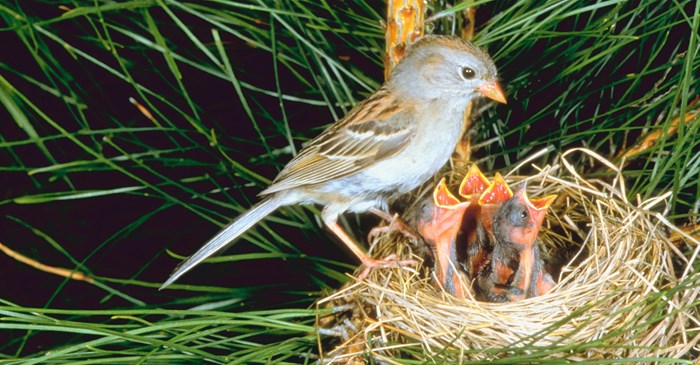
As I complete yet another semester, it has been a learning time for me too. It is always that way, but it seems to be even a more profound experience this semester. I know the semester has been a grind. I have explained it as an expected marathon, as a semester of consequences and accountability. I have tried to help students understand that the idea of claiming an education is something they do, and it is what is necessary to take response-ability for their college education. And yet there are some who figure it out. It is the figuring out the is what is hoped, but it can be a sort of bitter sweet thing. By the time they are junior and certainly as seniors, it means is they can stand on their own two feet and move forward without our focused assistance. Some do the more rapidly than others. Ironically, they are not always sure when it happens, but they will unconsciously move into that place where they will only ask for assistance when they really need it. What is important for us is pretty straight forward: they have done it! That is not always an easy thing to do. I think that is particularly the case for writing professors. Generally the first time we become acquainted is when they are freshmen, and the class is smaller. Freshmen are in a profoundly fragile space, but they do not always understand what that means or how to manage it. Therefore, much in writing is self-expression and helping them determine their identity. Then they get to be about juniors and they begin to think of life beyond college, which is exactly what they should do. I have some insight there because of my area of professional and technical writing, courses precisely about preparing them to write beyond college (and often create documents that are about getting them there). It is always interesting how they manage that transition. Some are perhaps like baby birds trying to take that first flight. Some make it, and they seldom look back. Some will come back again and again, needing assurance or help, trying to be both independent while simultaneously ask for help, but at some point they will not return. Letting them go is necessary, but it can be painful. It is always a bit shocking how fragile we can be as mentors. And yet when we let our fragility get in the way, we actually get in the way of their progress. That is something I learned the hard way earlier in my career. It still occurs, but not nearly as often, and more importantly, I have learned how to let go so much easier than I once did.
I think another unexpected consequence of this pandemic and the subsequent social distancing will be how we build relationships with students. Can we build relationships with the incoming freshmen, helping them realize that we are there for them and not their adversary? One of the things I learned this semester is it is not easy. It will take intentional work and thoughtful dialogue. It will take careful, honest, critical, and kind responses on our part. I think how we manage our assignments and tailor them to the students will also be important. That is why I will take time tomorrow to reflect on each assignment and see where grades are and try to figure out how to help them manage their work more effectively. It is why I plan to revise two upcoming courses extensively before next semester. If we are going to create those meaningful relationships with students serving as mentors and advisors, much of what I have done in personal contact before will need to be reconsidered. If I do not figure that out, I am afraid the relational aspect of college that is so important will be forever changed. As the storyteller I am, I will need to think about what I will do moving forward because certainly this last semester saw some very significant students leave the nest. They have found their own voice and what is what we want. The Voice – a song by Celtic Woman is one of my favorite tunes. Here is one of my favorite videos of it. This is a dieted (dubbed dusted) version of it, so it is different from the original Lisa Kelly version. It amazes me, much like my students, there are always incredible individuals to take the place of those who go before.
Thank you for reading.
Dr. Martin
 thewritingprofessor55
Dr. Martin,
I have to agree with you when you talk about people you care about fluctuating in and out of your life. I can 100% relate to how lonely losing some people feels, and how meeting new people can be scary. My father always told me “Danielle, people are going to come in and out of your life. You can’t force them to stay or push them to leave. That is up to God’s Plan.” I am honestly surprised at how well this has stuck with me now that I am agnostic. My father taught my brother and I the ways of life through what he had retained from his faith. He never forced us to go to church like he was; he wanted us to find God for ourselves or at least believe in his plan.
Back to my point, my father believed that people will come into our lives to teach us something or show us something about ourselves, and that is God’s way of teaching us. When those people are set on another course, that’s the big man’s way of saying to move forward. I am not sure yet whether or not I truly believe there is a God, my father surely tried to give me hope when someone I loved or cared about left my life.
Hi Dr. Martin,
As I read through this post, it sparked some of my own thoughts regarding the things you talked about in this post. The fact that 43% of the freshman class you wrote about in this blog either dropped the course or were failing is a very brutal statistic. This makes me think about my own times in college so far. I have taken a few courses that caused some struggles, which happens to most people I would assume. Even when I have been in a course that I do not like, or has not come particularly easy, I still have done my best to do well. Based on observations I have made from some of my friends and classmates, I am less surprised about the percentage of students who dropped or failed the course you wrote about. When I started college, my nursing class was about double the size it is now. Two of my close friends, who are both in my nursing class, seriously lack motivation. Both these classmates often skip class, do not study, and miss assignments. It simply blows my mind when my classmates skip class almost more than they attend. The more time I spend in college, the more I realize how much society lacks’ motivation.
This brings me to the question of what makes a person ready for college, and who should even go to college? I think this is a topic more people should spend more time thinking about and deeply considering before jumping into college. College is certainly something that is pushed upon many people, and not going to college is frowned upon. Personally, I believe college is not something that should be done because of pressure. College is very expensive and can be difficult, which is why everyone should truly evaluate if it is something they want to do, and will be able to succeed in. It can be hard to know what to do, especially because I do not think high school prepares students for life after graduation. Taking a year, or more, if necessary, between high school and college is a great option that should be considered by more people. My sister took a year after high school to work a job in the field she was interested in going to college for. This time helped my sister realize that she was not passionate about what she originally thought she would love. She was able to find something else that she truly enjoys and is currently pursuing a degree. Everyone is different, and taking time to figure out and decide what will be best for yourself, should not be looked down upon. Although I do believe everyone should be motivated and pursue a career in some way or another, I wish there was less of a stigma around going to college. College is not always the best option for everyone, and that should be more generally accepted.
Moving on to the point of this blog post, you talked about the way people will move in and out of your life. This is something everyone will probably experience at some point in their lives. This can be a hard thing to accept. I have been through this, and it made me sad for a time, but then I realized I would not be who I am today without these people coming in and going out of my life. As I think of my personal experience of people coming and going, it has been a bit different than what you talk about in this blog. The people that came in and out of my life have been high school friends and boyfriends. In this blog post, you talk about different students coming and going. I am sure this is not always easy. I have never been in your position, so I certainly do not know what is like to be a professor, but I can imagine. I can imagine students are not always the easiest to build strong relationships with, especially when you only have them for one short semester. I can also see how it would be very hard as a professor and mentor to have students stop asking for help. It would seem like they do not need you anymore. As hard as I am sure this is, I think it could also be seen as a positive. Seeing students step out into the real world and succeed on their own means you not only did a great job as their professor but as a mentor. You helped teach and prepare your students for life after graduation and are the reason they can have success. I know losing friends is hard, so I am sure losing students is just as hard. If you find the positives in the situation, you can be proud of those students and yourself, because you both have accomplished so much. Even just having you as my professor for this short summer course, reading your blogs, and seeing the thoughtful emails you have sent, have shown that you not only care for your students, but you want them to succeed. I am certain that even when your past students stopped reaching out, and in a way, you lost them, they remember and appreciate everything you taught them and did for them.
The message I have taken from this blog post is that letting go of things and people can be hard, but at some points in life, it is necessary. Losing friends, students, and whatever else comes and goes is a painful part of life, but everything has a purpose and helps shape us into who we are today. Being able to see past the pain helps us understand and see the good that can come from things that seem bad now.